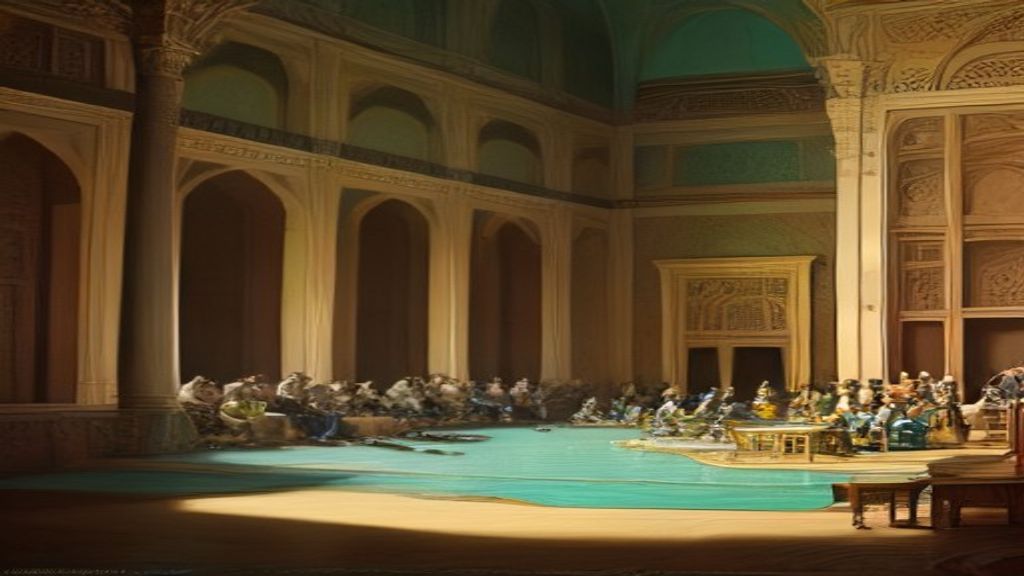
Why Mughal Courts Still Fascinate Us
Imagine a palace where poetry, politics, and perfume mixed in the same hallway – that was everyday life in the Mughal court.
💡 In Simple Words: The Mughal court was a lively hub where the emperor, nobles, artists, and foreign guests all shared ideas. By looking at old books, paintings, and visitors' stories, we can picture how they lived, dressed, and ruled.
Key Sources That Reveal Court Life
Historians rely on three main types of evidence to reconstruct Mughal court culture:
- Official chronicles – like the Akbarnama (the story of Emperor Akbar) and the Ain-i-Akbari (a detailed record of the empire). Think of these as the Mughal version of a government’s annual report.
- Visual arts – miniature paintings and frescoes that capture scenes of banquets, battles, and royal ceremonies. They’re like Instagram posts of the 16th‑18th centuries, but painted on paper.
- Foreign travelers’ accounts – writings of people like Francois Bernier, Niccolao Manucci, or the Jesuit missionaries. Their letters act as postcards sent back home, describing what they saw.
What Each Source Tells Us
| Source | What It Shows About Court Culture | Strengths | Limitations |
|---|---|---|---|
| Akbarnama & Ain-i-Akbari | Administrative hierarchy, titles, daily routines, religious policies. | Written by court scholars, so details are rich and systematic. | May exaggerate the emperor’s virtues; biased toward official view. |
| Mughal miniatures | Fashion, jewelry, architecture, entertainment, gender roles. | Visual, vivid, captures non‑verbal cues. | Artists sometimes idealized scenes; not all events were painted. |
| Travelers’ narratives | Foreign perception, diplomatic etiquette, food, music. | Outside perspective can highlight what locals took for granted. | Language barriers and personal prejudice could skew descriptions. |
How the Sources Paint a Full Picture
When you line up the chronicles, paintings, and foreign letters side by side, patterns emerge. For example, the Akbarnama mentions the emperor’s love for music, while a miniature shows a court musician playing a sitar, and Bernier’s diary notes the evening “raqs” (dance) gatherings. Together they confirm that music was a court staple.
Another case: the Ain-i-Abkari lists the rank of mansabdar (a noble’s official posting). Miniatures often depict these mansabdars in elaborate robes, and foreign visitors comment on the strict protocol when they presented gifts. This triangulation helps us understand the importance of rank and ceremony.
Everyday Etiquette – A Mini‑Guide
- Salutation: Courtiers said “Salaam” (peace) with a slight bow, similar to a handshake but more formal.
- Dress code: Turbans (pagris) indicated rank; bright colors were reserved for special occasions, much like a school uniform on a field day.
- Gift‑giving: Presenting a jeweled dagger was akin to giving a birthday present today – it showed respect and secured favor.
Comparing Mughal Court Culture with Earlier Indian Courts
Before the Mughals, regional kingdoms like the Vijayanagara empire also had grand courts. By comparing sources, we see both continuity and change.
| Aspect | Pre‑Mughal Courts | Mughal Courts |
|---|---|---|
| Language of administration | Kannada, Telugu, Sanskrit | Persian (the imperial language), later Urdu |
| Artistic patronage | Stone temples, bronze work | Miniature paintings, marble architecture |
| Religious policy | Mostly Hindu, some Buddhist | Religious tolerance (e.g., Akbar’s “Din‑e‑Ilahi” experiment) |
Why Knowing These Sources Helps You Score in Exams
CBSE questions often ask you to “analyse the significance of a source” or “compare two types of evidence”. If you can quickly name a source, explain what it reveals, and point out its bias, you’ll nail those marks.
Remember this quick checklist:
- Identify the source (chronicle, painting, traveler).
- State what aspect of court life it illustrates.
- Highlight one strength and one limitation.
📝 Likely Exam Questions
- Question: How does the Akbarnama help us understand the administrative hierarchy of Akbar’s court?
Answer: It lists titles, mansab ranks, and duties, showing a clear chain of command. However, it presents the hierarchy in a flattering light, omitting any internal conflicts. - Question: Compare the information about court entertainment obtained from Mughal miniatures and from Francois Bernier’s travelogue.
Answer: Miniatures visually depict musicians, dancers, and lavish settings, while Bernier describes the sounds, audience reactions, and the cultural mixing of Hindu and Persian performances. Together they confirm that entertainment was both visual and auditory, but the painting cannot convey music’s rhythm, which Bernier does. - Question: Why must historians be cautious when using the Ain-i-Akbari as a source for social customs?
Answer: It was compiled by a court official aiming to document the empire’s order, so it emphasizes ideal practices and may overlook regional variations or dissent. - Question: Explain how foreign travelers’ accounts complement indigenous sources in reconstructing Mughal court etiquette.
Answer: Travelers notice details locals consider normal, such as the exact sequence of greetings or gift exchanges, providing an outsider’s perspective that balances internal bias. - Question: Using any two sources, discuss one way Mughal court culture reflected religious tolerance.
Answer: The Akbarnama records Akbar’s policy of allowing Hindus to hold positions, while Bernier notes joint celebrations of Hindu and Muslim festivals, showing a blended cultural atmosphere.