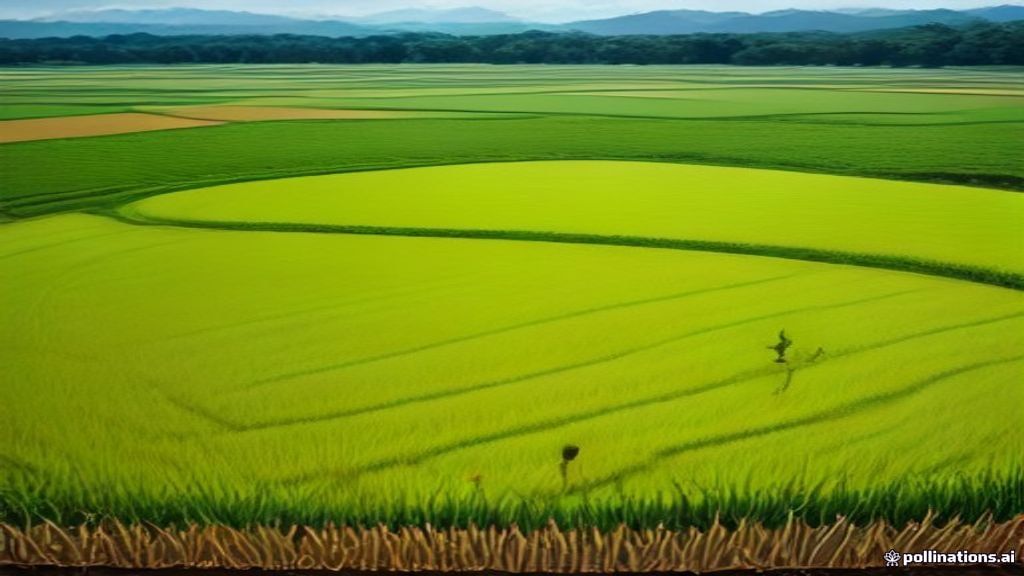
Major Crops and Agriculture in India – ICSE Class 10
Ever wondered why India’s plate is filled with rice, wheat, and mangoes?
💡 In Simple Words: India’s farmers grow different crops in different parts of the country because of the climate, soil, and water they have. These crops give us food, jobs, and money.
What are the main food crops?
Food crops are the ones we eat directly. The big three are:
- Rice – loves warm, wet conditions. Grown mainly in the eastern and southern states like West Bengal, Odisha, and Tamil Nadu.
- Wheat – prefers cool, dry winters. Found in Punjab, Haryana, and Uttar Pradesh.
- Millets – hardy and can survive in dry soils. Common in Rajasthan, Gujarat, and parts of central India.
Key commercial crops
Commercial crops are grown for sale, not just for eating at home.
- Cotton – needs a long frost‑free period. Grown in Maharashtra, Gujarat, and Andhra Pradesh.
- Sugarcane – loves heat and plenty of water. Major producers are Uttar Pradesh, Bihar, and Karnataka.
- Tea – thrives in cool, misty hills. Grown in Assam, West Bengal, and the Nilgiris.
- Coffee – needs shade and moderate rain. Grown in Karnataka, Kerala, and Tamil Nadu.
Factors that decide where a crop is grown
Think of a crop like a person who likes a certain climate, food, and house. The main “likes” are:
- Climate – temperature and rainfall patterns.
- Soil type – sandy, loamy, or clayey soils affect nutrient availability.
- Water availability – irrigation facilities or monsoon rains.
- Topography – flat plains vs. hilly terrain.
Types of farming practiced in India
India’s farms range from tiny family plots to large corporate estates.
- Subsistence farming – families grow just enough to feed themselves.
- Commercial farming – produces crops for markets, often using machines.
- Mixed farming – combines crops and livestock on the same land.
- Organic farming – avoids synthetic chemicals, focusing on natural inputs.
Crop Production Cycle (Simple Flow)
graph TD
A[Land Preparation] --> B[Sowing/Planting]
B --> C[Irrigation & Care]
C --> D[Harvest]
D --> E[Storage & Marketing]
Quick Comparison: Food vs Commercial Crops
| Aspect | Food Crops | Commercial Crops |
|---|---|---|
| Primary use | Direct consumption | Sale & industry |
| Typical examples | Rice, Wheat, Millets | Cotton, Sugarcane, Tea |
| Region focus | Widely spread | Specific climate zones |
| Market dependency | Less volatile | More price‑sensitive |
📝 Likely Exam Questions
- Name three major food crops of India and the states where they are predominantly grown.
Answer: Rice – West Bengal, Odisha, Tamil Nadu; Wheat – Punjab, Haryana, Uttar Pradesh; Millets – Rajasthan, Gujarat, Madhya Pradesh. - Why is cotton mainly cultivated in Maharashtra and Gujarat?
Answer: These states have a long frost‑free period, black soil that retains moisture, and adequate sunshine, all ideal for cotton. - Explain how climate influences the distribution of tea plantations in India.
Answer: Tea needs cool temperatures, high humidity, and well‑drained acidic soil, which are found in the hill regions of Assam, Darjeeling, and the Nilgiris. - Differentiate between subsistence and commercial farming with examples.
Answer: Subsistence farming is for family consumption, e.g., a small plot of rice in Odisha. Commercial farming aims at market sale, e.g., large‑scale sugarcane farms in Uttar Pradesh. - List the main steps in the crop production cycle.
Answer: Land preparation → Sowing/Planting → Irrigation & Care → Harvest → Storage & Marketing.
#ICSE#Class 10#Geography#Agriculture#Major Crops
More from us