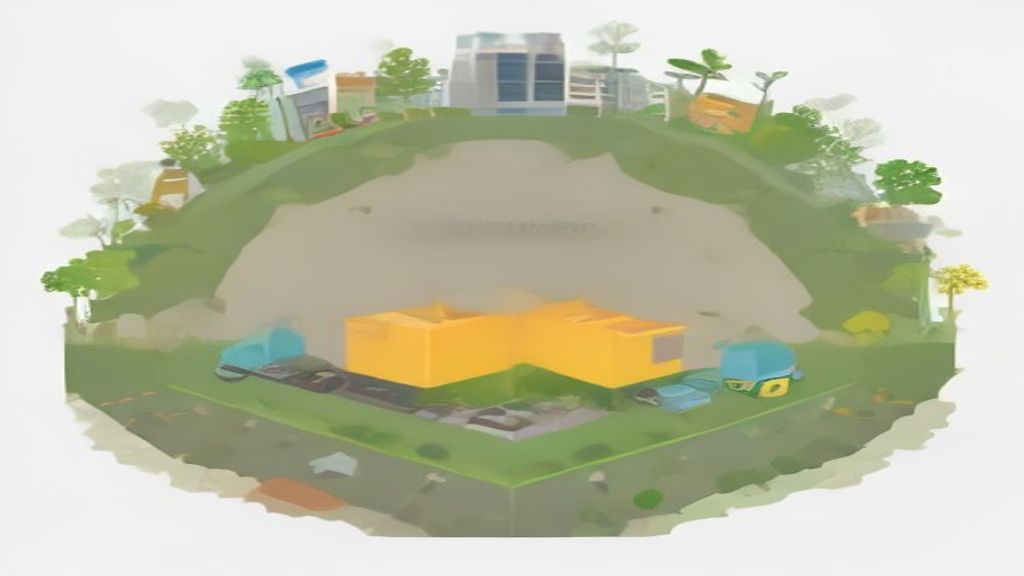
Why waste management matters to you
Ever wondered why your town’s trash trucks appear every morning? That’s waste management doing its job – keeping our streets clean and our planet healthy.
💡 In Simple Words: Waste management is simply the way we collect, sort, treat, and get rid of garbage so it doesn’t harm people or the environment. Think of it as giving trash a proper ‘home’ instead of letting it wander around.
What is waste management?
In geography, waste management means the whole set of activities that handle solid waste – from the moment we throw something away to its final safe disposal. It’s like a relay race where each runner (collection, segregation, treatment, disposal) passes the baton to the next.
Key terms you need to know
- Segregation: The act of separating waste into different categories (e.g., organic, recyclable, hazardous). Imagine sorting your school supplies into pens, pencils, and erasers.
- Composting: Turning organic waste like kitchen scraps into nutrient‑rich soil. It’s similar to letting fruit peel turn into garden fertilizer.
- Recycling: Converting used materials (paper, glass, metal) into new products. Like melting old bottles to make fresh ones.
- Incineration: Burning waste at high temperatures to reduce its volume and sometimes generate energy. Think of a campfire that turns logs into ash and heat.
- Landfilling: Burying waste in a designated area, usually with layers of soil to limit contamination. Picture a giant, carefully managed trash graveyard.
- Biogas: A flammable gas produced when organic waste breaks down without oxygen. It can be captured and used for cooking or electricity, much like a natural gas stove.
- Waste‑to‑Energy (WTE): Using waste as fuel to produce electricity or heat. It’s like turning the trash you throw away into power for your home.
Common waste management methods
Below are the most frequently used methods in Indian towns and cities, explained in everyday language.
- Segregation at source: Households keep separate bins for kitchen waste, recyclables, and non‑recyclables. This makes later steps easier, just like sorting laundry by colour before washing.
- Composting: Collected kitchen waste is placed in compost pits or windrows where microbes break it down. After a few weeks, you get dark, crumbly soil that can improve garden growth.
- Recycling: Recyclable items are taken to Material Recovery Facilities (MRFs). Machines shred paper, melt glass, and melt metal, turning them into raw material for new products.
- Incineration: Some cities use incinerators to burn non‑recyclable waste. The heat can spin turbines to generate electricity, but the process needs filters to control smoke.
- Landfilling: After segregation, the leftover waste is compacted and layered in a landfill site. Daily covers of soil prevent flies and rainwater from spreading waste.
- Biogas plants: Organic waste is fed into airtight digesters where bacteria produce methane. The methane fuels generators or cooking stoves, while the leftover slurry can be used as fertilizer.
- Waste‑to‑Energy plants: Mixed waste is burnt in high‑tech furnaces, producing steam that drives generators. The ash left behind is often used in construction.
Comparing the methods
| Method | How it works | Advantages | Disadvantages |
|---|---|---|---|
| Segregation | Separate waste at home or source | Reduces processing cost, improves recycling rate | Requires public cooperation |
| Composting | Microbes turn organic waste into soil | Produces useful fertilizer, low tech | Needs space, slower process |
| Recycling | Collect, clean, and re‑process materials | Saves raw resources, creates jobs | Contamination reduces quality |
| Incineration | Burn waste at high temperature | Reduces waste volume, can generate power | Air pollution if not filtered |
| Landfilling | Bury waste in layers, cover daily | Simple, handles large volumes | Long‑term land use, leachate risk |
| Biogas | Anaerobic digestion of organics | Produces renewable energy, fertilizer | Needs controlled environment |
| Waste‑to‑Energy | Burn mixed waste to produce electricity | Energy recovery, reduces landfill need | High capital cost, emissions concerns |
Typical flow of waste in a city
graph TD
A[Waste generated at homes] --> B[Collection by municipal trucks]
B --> C[Segregation at transfer stations]
C --> D[Composting / Recycling / Incineration]
D --> E[Final disposal: Landfill or WTE plant]
📝 Likely Exam Questions
- Q1. Explain why segregation of waste at source is important.
Ans. Segregation keeps organic, recyclable and hazardous waste separate, making each easier to treat. It reduces contamination, cuts processing costs, and increases the amount of material that can be recycled or composted. - Q2. List two advantages and two disadvantages of incineration.
Ans. Advantages: (i) Greatly reduces waste volume, (ii) Can generate electricity. Disadvantages: (i) Emits pollutants if not properly filtered, (ii) High initial setup cost. - Q3. How does a biogas plant contribute to waste management and energy needs?
Ans. Organic waste is broken down by bacteria in an airtight digester, producing methane gas. The methane fuels generators or stoves, providing renewable energy, while the leftover slurry can be used as fertilizer. - Q4. Compare landfilling with waste‑to‑energy in terms of environmental impact.
Ans. Landfilling occupies large land areas and can leach harmful chemicals into groundwater if not managed. Waste‑to‑energy reduces landfill need and recovers energy, but it can release greenhouse gases and requires strict emission controls. - Q5. Draw a short diagram showing the steps of waste management in a city.
Ans. Students should sketch a flow: Waste generation → Collection → Segregation → Treatment (composting/recycling/incineration) → Final disposal (landfill/WTE).
#ICSE#Geography#Waste Management#Class 10#Study Notes
More from us