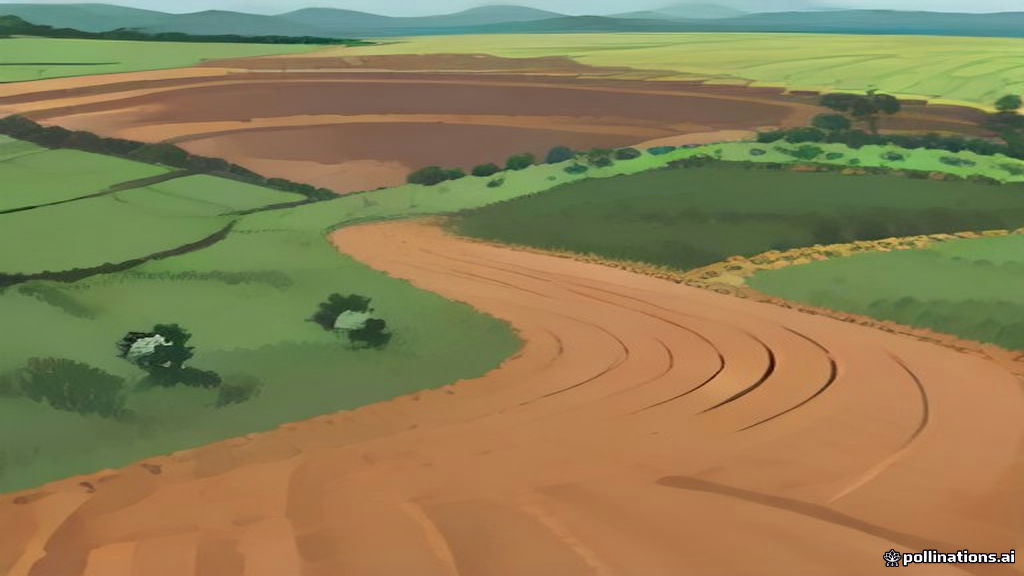
Why Soil Matters for You
Ever wondered why crops grow tall in some places and wilt in others? The answer often lies in the soil beneath our feet.
💡 In Simple Words: Soil is the thin skin of Earth that holds water, nutrients, and tiny life. Different soils act like different kinds of sponges, and keeping them healthy means more food and greener lands.
Major Soil Types Found in India
India’s huge size gives us a mix of soils. Here are the five main ones you’ll see in your textbook and on the ground.
| Soil Type | Typical Regions | Key Features |
|---|---|---|
| Alluvial Soil | Indo‑Gangetic plains, coastal deltas | Fine, fertile, good water‑holding capacity; ideal for rice and wheat. |
| Black Soil (Regur) | Deccan plateau, parts of Maharashtra, Gujarat | Rich in calcium carbonate, expands when wet; perfect for cotton. |
| Red and Yellow Soil | Eastern and southern peninsular India | High iron oxide gives red colour; well‑drained, needs fertilizers. |
| Laterite Soil | Western Ghats, coastal Karnataka, Kerala | Leached of nutrients, porous, supports tea and rubber with proper care. |
| Arid Soil (Desert) | Rajasthan, parts of Gujarat | Coarse, low organic matter, high salt; needs irrigation and windbreaks. |
How to Spot a Soil Type Quickly
- Colour tells a story – red means iron, black means rich organic matter.
- Texture feels like sand, silt, or clay – rub a handful between fingers.
- Location clues – plains = alluvial, plateaus = black.
Soil Conservation: Keeping the Earth’s Skin Healthy
Soil doesn’t stay perfect forever. Erosion, over‑grazing, and bad farming can wear it down fast. Let’s look at the main ways India fights back.
Key Conservation Methods
- Contour Ploughing: Ploughing along the natural slope lines, like following the curve of a bowl, reduces runoff.
- Terracing: Cutting step‑like platforms into hills, turning a steep slope into a staircase for crops.
- Cover Crops: Growing plants such as legumes during off‑season to protect soil surface, much like a blanket.
- Mulching: Spreading straw or leaves on the soil to keep moisture in and stop wind from blowing it away.
- Check Dams & Bunds: Small barriers across gullies that trap sediment, similar to a sandbag wall.
graph TD
A[Identify Erosion Problem] --> B[Select Suitable Conservation Technique]
B --> C["Implement Technique (e.g., terracing)"]
C --> D[Monitor Soil Health]
D --> E[Adjust Management if Needed]
E --> F[Long‑term Soil Sustainability]
Why These Methods Work
Think of water flowing down a hill like a fast river. If you place rocks (contour ploughing) or steps (terracing), the water slows, drops its load, and the soil stays put.
Quick Revision Table
| Soil Type | Best Crops | Major Threat | Key Conservation |
|---|---|---|---|
| Alluvial | Rice, wheat | Erosion by river floods | Contour ploughing, bunds |
| Black | Cotton, soybean | Waterlogging | Raised beds, proper drainage |
| Red & Yellow | Millet, pulses | Nutrient leaching | Cover crops, mulching |
| Laterite | Tea, rubber | Loss of organic matter | Organic manures, terracing |
| Arid | Millet, cumin | Salinity, wind erosion | Windbreaks, check dams |
📝 Likely Exam Questions
- List the five major soil types of India and mention one characteristic of each.
Answer: Alluvial – fertile, found in plains; Black – calcium‑rich, expands when wet; Red/Yellow – iron‑oxide colour, well‑drained; Laterite – porous, leached; Arid – coarse, low organic matter. - Explain how contour ploughing helps to prevent soil erosion.
Answer: By ploughing along the natural slope, the furrows act like small barriers that slow down water runoff, allowing it to infiltrate rather than wash soil away. - Why is terracing especially useful on the Western Ghats?
Answer: The Ghats have steep slopes; terracing creates flat steps that reduce the speed of water, prevent landslides, and make the land usable for crops like tea. - Describe two soil conservation measures suitable for arid regions of Rajasthan.
Answer: Planting windbreaks (rows of hardy trees) reduces wind speed that lifts soil; constructing check dams captures runoff and adds moisture to the soil. - What is the role of cover crops in maintaining soil health?
Answer: Cover crops protect the soil surface from raindrop impact, add organic matter when they decompose, and fix nitrogen (if legumes), improving fertility.
#ICSE#Geography#Soil#Class 10#Soil Conservation
More from us