Why the Quit India Movement still matters
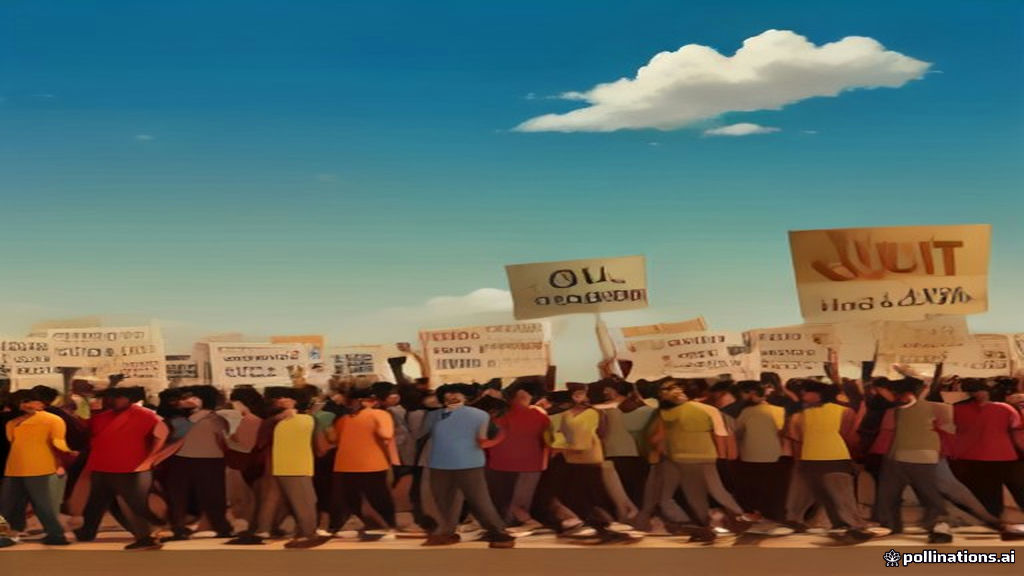
Imagine a whole country shouting “Leave now!” in one breath. That roar came in 1942, when Indians demanded an end to British rule before the war was over.
💡 In Simple Words: The Quit India Movement was a massive, nationwide call for the British to quit India right away. It began in August 1942, led by Mahatma Gandhi, and sparked protests, strikes, and even underground resistance across the country.
What was the Quit India Movement?
The Quit India Movement, also called the Civil Disobedience of 1942, was a final push for freedom. Civil disobedience means refusing to follow laws you think are unjust, without using violence. Gandhi and the Indian National Congress (the main political party fighting for independence) launched it on 8 August 1942, after the British failed to promise a clear timeline for leaving.
Why did it start in 1942?
Two big reasons sparked the movement:
- World War II: Britain asked India to support the war effort, but Indians felt they were being asked to fight for a country that still ruled them.
- Failed promises: The British had earlier hinted at giving India self‑government after the war, but the war dragged on and the promise seemed empty.
Gandhi’s famous “Do or Die” speech captured the urgency. He told millions to act as if the British would leave tomorrow – a bold call that turned ordinary people into activists.
Key events and leaders
Here’s a quick snapshot of the movement’s timeline:
While Gandhi, Jawaharlal Nehru, and Sardar Patel were jailed, local leaders like Aruna Asaf Ali kept the protests alive. Students, women, and workers formed parallel governments in some villages – meaning they ran daily affairs without British approval.
Impact on Indian independence
The movement didn’t force the British to leave overnight, but it did two crucial things:
- Showed unity: People from different religions, regions, and classes joined together, proving a pan‑Indian desire for freedom.
- Weakened British control: With leaders behind bars, the British had to rely on a thin police force, making it harder to govern a restless nation.
After the war, Britain was exhausted and could no longer afford to hold onto its empire. The Quit India Movement added pressure, leading to the 1947 independence and partition.
Quick comparison: Objectives vs. Outcomes
| Objective | Outcome |
|---|---|
| Immediate British withdrawal | British left in 1947, two years after WWII |
| Mass civil disobedience | Widespread protests, strikes, and underground actions |
| National unity across communities | Broad participation, though partition later divided the sub‑continent |
Things to remember for the ICSE exam
- Exact date of the “Quit India” call – 8 August 1942.
- Gandhi’s slogan – “Do or Die.”
- Key leaders arrested immediately after the call.
- Role of women and students in keeping protests alive.
- How the movement influenced Britain’s decision after WWII.
📝 Likely Exam Questions
1. Explain why the Quit India Movement was launched in 1942.
Answer: It was launched because the British asked India to support World II while refusing a clear promise of post‑war independence, and earlier promises seemed hollow. Gandhi’s “Do or Die” speech urged immediate action.
2. Discuss the role of Mahatma Gandhi in the Quit India Movement.
Answer: Gandhi gave the “Do or Die” speech, called for mass civil disobedience, and encouraged non‑violent resistance. He was arrested soon after, which turned him into a symbol of sacrifice.
3. How did the Quit India Movement affect British rule in India?
Answer: It showed nationwide unity, strained British administrative capacity, and, combined with post‑war exhaustion, pushed Britain toward granting independence in 1947.
4. Identify two ways ordinary citizens participated in the movement.
Answer: They organized strikes, boycotted British goods, formed underground groups, and some villages set up parallel governments to run daily affairs without British help.
5. Compare the objectives of the Quit India Movement with its actual outcomes.
Answer: The movement aimed for immediate British withdrawal, mass civil disobedience, and national unity. While British left in 1947 (not immediately), the movement succeeded in widespread protest, demonstrated unity, and weakened British control.