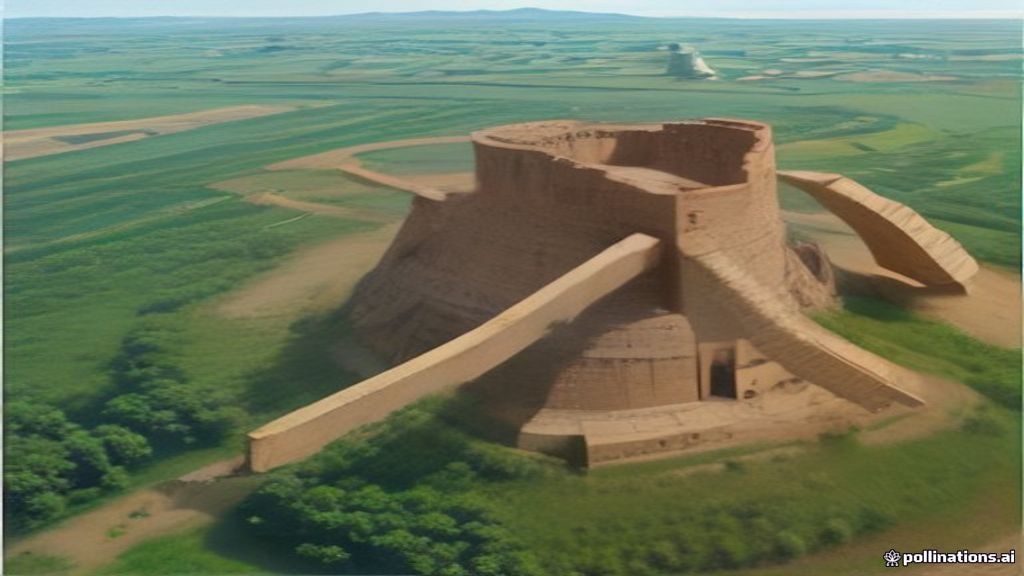
Imagine a world where people just discovered they could grow food instead of hunting every day – that spark set the stage for the mighty Indus cities.
💡 In Simple Words: Early humans learned to farm, built permanent villages, and over thousands of years those villages grew into the organized, brick‑built cities of the Indus Valley Civilization.
Neolithic Age – The Dawn of Farming
The word Neolithic ("new stone") describes a time when stone tools got sharper and people started to settle down. Think of it like moving from a camping trip (hunting) to setting up a backyard garden – you no longer have to wander for food every day.
- Domestication: taming wild plants (like wheat, barley) and animals (goats, cattle) so they become reliable food sources.
- Permanent settlements: villages such as Mehrgarh in present‑day Pakistan appear, with mud‑brick houses.
- Tools & technology: polished stone axes, grinding stones for flour, and early pottery for storage.
Why the Neolithic shift mattered
When you have a steady food supply, you can think about things beyond just eating – like making better tools, trading, or even creating art. This is the first step toward complex societies.
From Villages to Cities – The Rise of the Indus Valley
About 5,300 years ago, the small villages of the Neolithic period sprouted into a sophisticated urban network we call the Indus Valley Civilization. Picture a modern city’s grid plan – streets intersect at right angles, houses line up neatly, and there are public baths, granaries, and even a rudimentary sewage system.
Key reasons for this leap:
- River advantage: The Indus and its tributaries acted like highways, delivering water for irrigation and routes for trade, just as a highway today speeds up the movement of goods.
- Trade networks: Merchants exchanged cotton, beads, and metals with Mesopotamia, showing early globalization.
- Standardised bricks: Uniform baked bricks made construction faster and more uniform – think of Lego blocks that fit together everywhere.
Major Urban Centres
Three sites dominate the picture:
| Site | Location | Key Feature |
|---|---|---|
| Harappa | Punjab, Pakistan | Well‑planned streets and massive granaries |
| Mohenjo‑Daro | Sindh, Pakistan | Great Bath – earliest public water pool |
| Dholavira | Gujarat, India | Advanced water‑storage reservoirs |
Comparing Neolithic Villages and Indus Cities
| Aspect | Neolithic Village | Indus City |
|---|---|---|
| Housing | Simple mud‑brick huts | Multi‑room brick houses with courtyards |
| Economy | Subsistence farming & local barter | Specialised crafts, long‑distance trade |
| Governance | Informal, likely clan‑based | Evidence of coordinated city planning (grid layout) |
| Sanitation | Basic pits or open drainage | Covered drains, public baths, water reservoirs |
Chronological Flow – From Neolithic to Indus
Exam‑Ready Summary
- Neolithic Age introduced farming, permanent homes, and polished stone tools.
- Indus Valley Civilization built on these foundations with grid‑like cities, standardized bricks, and sophisticated water management.
- Key sites: Harappa, Mohenjo‑Daro, Dholavira – each shows a different strength of the civilization.
- Comparing villages to cities highlights advances in housing, economy, governance, and sanitation.
📝 Likely Exam Questions
- Explain how the Neolithic revolution paved the way for the Indus Valley Civilization.
Answer: Farming created food surplus, which allowed people to stay in one place, develop specialised jobs, build permanent houses, and eventually organise into larger, planned towns that became the Indus cities. - List two major differences between Neolithic settlements and Indus cities.
Answer: (i) Housing – mud‑brick huts vs multi‑room brick houses with courtyards; (ii) Sanitation – simple pits vs covered drains and public baths. - Why were rivers crucial for the growth of the Indus Valley Civilization?
Answer: Rivers provided irrigation for crops, a steady water supply, and navigable routes for trade, much like modern highways support commerce. - Identify one archaeological site of the Indus Valley and mention a unique feature of that site.
Answer: Mohenjo‑Daro – famous for the Great Bath, the earliest known public water‑pool. - What does the uniform size of bricks tell us about Indus society?
Answer: It suggests centralised planning and standardised production, indicating coordinated governance and skilled labour.