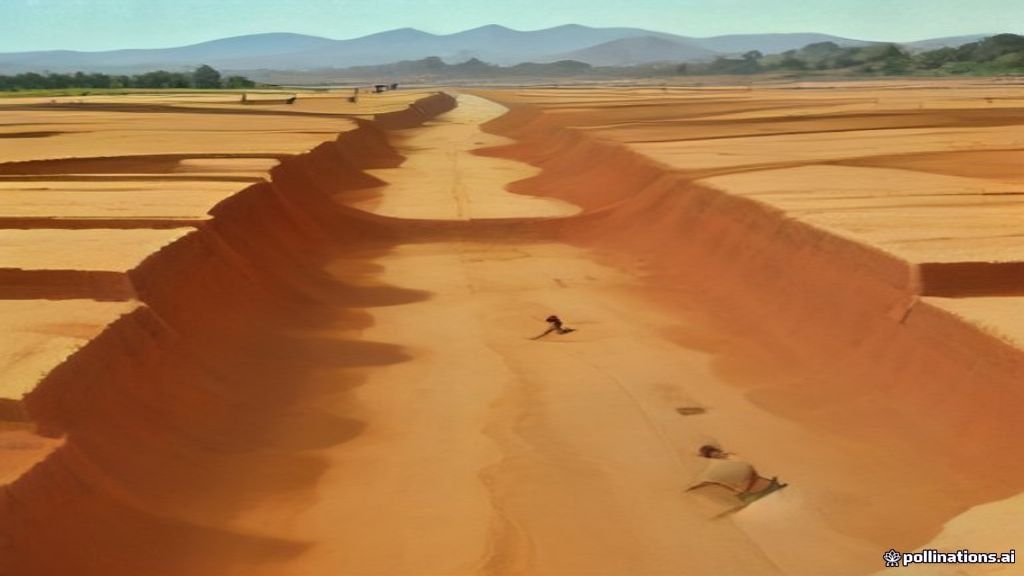
From Stone Tools to City Streets: Why It Matters
Imagine moving from a life of hunting with simple stones to living in a city where sewage runs underground – that leap happened right here, in ancient India.
💡 In Simple Words: The Neolithic Age was the time when people stopped roaming and started farming. Over many generations, these farmers built villages that grew into the first big cities of the Indus Valley, like Harappa and Mohenjo‑Daro.
What is the Neolithic Age?
The word Neolithic means “new stone.” It refers to the period when humans began shaping stone tools for farming instead of hunting. Think of it as swapping a wooden club for a polished axe that can cut wheat.
Key Features of the Neolithic Age in the Indian Subcontinent
- Settled farming: People grew wheat, barley, and millets near rivers such as the Saraswati and Ghaggar.
- Domesticated animals: Cattle, goats, and dogs became part of daily life, much like a modern farm.
- Pottery: Clay pots were used for storage, similar to today’s kitchen containers.
- Simple villages: Homes were made of mud and thatch, clustered together like a small neighborhood.
From Villages to Towns: The Early Harappan Phase
As farming got better, people started trading surplus grain for tools made of copper (a reddish metal). This trade sparked the Early Harappan phase – the pre‑urban stage of the Indus Valley. Imagine a farmer’s market that slowly expands into a bustling bazaar.
What changed?
- Use of copper tools – sharper than stone, like swapping a wooden spoon for a metal one.
- Evidence of long‑distance trade – shells from the coast found inland, showing early networks.
- More organized settlements – houses placed in rows, hinting at early planning.
Mature Indus Valley Civilization – The Urban Marvel
By about 2600 BCE, the Indus Valley Civilization (also called Harappan culture) had blossomed into a network of well‑planned cities. Think of them as the ancient equivalent of a modern city with grid‑like streets, public baths, and a drainage system that worked better than many later medieval towns.
Hallmarks of the Mature Phase
- City layout: Streets ran north‑south and east‑west, forming a grid – like a chessboard.
- Advanced sanitation: Brick‑lined drains carried waste away, similar to today’s underground sewers.
- Standardized weights: Traders used uniform stone weights, the ancient version of a ruler.
- Writing system: Small symbols on seals, still undeciphered, served as a primitive script.
Neolithic vs. Harappan: A Quick Comparison
| Aspect | Neolithic Age | Indus Valley (Mature) |
|---|---|---|
| Settlement size | Small villages (10‑50 houses) | Large cities (20,000‑40,000 inhabitants) |
| Tools | Polished stone axes | Copper tools, bronze alloy |
| Economy | Agriculture & animal husbandry | Trade, craft specialization, agriculture |
| Writing | None | Indus script on seals and tablets |
How the Cultures Evolved: A Simple Flow
Why the Indus Cities Declined
Scholars suggest a mix of climate change (river drying up), over‑use of soil, and possible trade disruptions led to the abandonment of cities around 1900 BCE. It’s a bit like a modern town losing its water supply and jobs – people eventually move away.
📝 Likely Exam Questions
- Explain two major differences between Neolithic settlements and Mature Indus Valley cities.
Answer: Neolithic settlements were small villages with mud‑thatched houses and stone tools, while Mature Indus cities were large, grid‑planned urban centers with baked‑brick houses, copper tools, standardized weights, and a sophisticated drainage system. - What evidence shows that Early Harappan people engaged in long‑distance trade?
Answer: Archaeologists have found marine shells from the Gulf of Khambhat in inland Early Harappan sites, indicating trade links across considerable distances. - How did the shift from stone to copper tools affect the economy?
Answer: Copper tools were stronger and sharper, allowing more efficient farming and craft production, which boosted surplus generation and enabled trade, laying the groundwork for urban growth. - Describe one reason for the decline of the Indus Valley Civilization.
Answer: One major reason is the gradual drying up of the Saraswati‑Ghaggar river system, which reduced water availability for agriculture and forced people to abandon their cities.